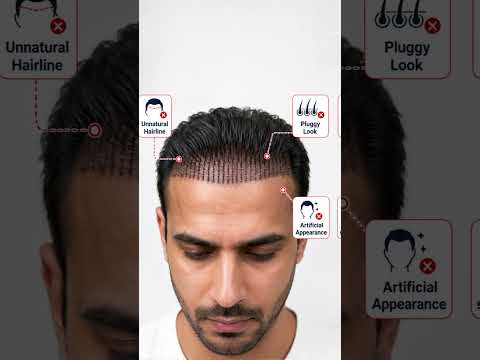
In this video, Dr. Ashutosh Shah from Elegance Clinic in Surat explains why postoperative medicines and ongoing hair loss treatment may be recommended after hair transplantation.
Topics Covered:
- Why are medicines prescribed after hair transplant surgery?
- Which medicines support postoperative recovery?
- Do transplanted follicles require lifelong medication?
- Why is protecting existing natural hair important?
- Can hair loss continue after transplantation?
- What happens if you stop prescribed hair loss treatment?
- Why should patients follow their surgeon’s medication instructions?
Why Medicines May Be Recommended
After hair transplantation, short-term medications may be prescribed to manage discomfort or other postoperative needs.
Some patients may also benefit from ongoing medical treatment to manage androgenetic hair loss and preserve their existing, non-transplanted hair.
Medicines such as minoxidil or finasteride may be considered for suitable patients after medical assessment. These treatments are not necessary for everyone, and their benefits, risks and suitability should be discussed with a qualified doctor.
At Elegance Clinic, Dr. Ashutosh Shah provides hair transplant consultations, postoperative guidance and personalised hair restoration planning.
Watch this video for information about medicines after hair transplantation and long-term hair care.