This video addresses common patient questions about hair transplant surgery, including postoperative discomfort, hair washing, PRP treatment and choosing the right hair restoration approach.
Topics Covered:
- Is hair transplant surgery painful?
- When can you wash your hair after transplantation?
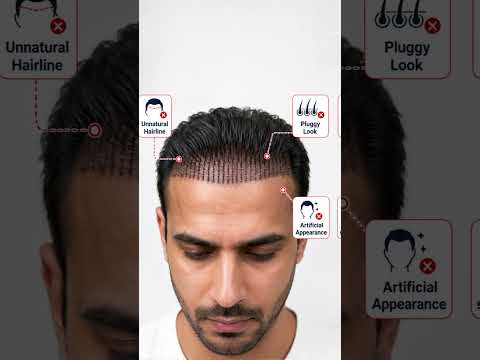
- How is a natural-looking hairline designed?
- When can you return to the gym?
- Is PRP treatment better than a hair transplant?
- Why is personalised hair restoration planning important?
- What should patients expect during recovery?
Hair transplantation is generally performed under local anaesthesia to minimise discomfort during the procedure. Some tenderness or swelling may occur afterward.
The appropriate time for hair washing and exercise depends on the surgeon’s postoperative instructions and individual healing progress.
At Elegance Hair Transplant Clinic in Surat, Dr. Ashutosh Shah provides consultations for hair loss, hairline restoration and FUE hair transplantation. Treatment recommendations depend on the pattern of hair loss, donor hair availability, scalp health and patient expectations.
Watch this video for practical answers about hair transplantation, recovery and hairline planning.