Female hair transplant in Surat is a surgical hair restoration option for selected women experiencing thinning hair, widening part lines, receding hairlines or localised hair loss.
At Elegance Hair Transplant Clinic, patients can discuss their hair loss concerns and explore personalised treatment options based on scalp health, donor hair availability and the underlying cause of hair thinning.
What Causes Hair Loss in Women?
Female hair loss can occur for several reasons, including:
- Female pattern hair loss
- Hormonal changes and menopause
- Thyroid disorders and nutritional deficiencies
- Traction from tight hairstyles
- Certain types of scarring alopecia
- Stress-related or temporary hair shedding
A proper diagnosis is essential before considering surgery.
Female Hair Transplant in Surat: How the Procedure Works
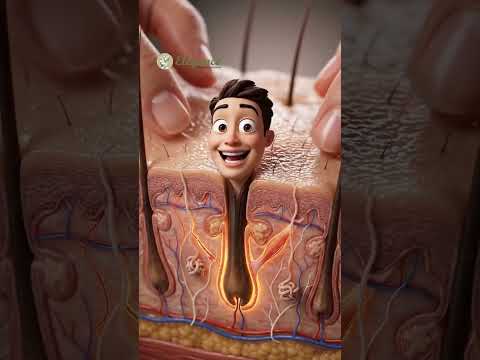
During a female hair transplant, suitable hair follicles are collected from a donor area, commonly the back of the scalp, and implanted into areas requiring additional coverage.
The procedure generally involves:
- Scalp and hair density assessment
- Donor area evaluation
- Hairline or density planning
- Follicular unit extraction or another appropriate harvesting technique
- Careful graft implantation
- Postoperative instructions and follow-up
The treatment plan depends on the patient’s hair loss pattern, donor hair quality and long-term expectations.
Who May Be Suitable for a Female Hair Transplant?
Hair transplantation may be considered for women with:
- Stable, localised hair loss
- Adequate healthy donor hair
- Certain types of traction-related hair loss
- Selected stable scarring conditions after specialist evaluation
- Hairline concerns suitable for surgical correction
Women with active inflammatory scalp disease or diffuse donor-area thinning may not be suitable candidates.
Female Hair Transplant Benefits and Limitations
Potential benefits include:
- Improved coverage in selected thinning areas
- More balanced hairline appearance
- Redistribution of existing healthy hair follicles
- Long-term growth from successfully transplanted follicles
However, results vary. Hair transplantation does not stop future loss of untreated hair or guarantee a particular density.
Recovery After Female Hair Transplant
Temporary redness, swelling, crusting and scalp sensitivity may occur after surgery.
Transplanted hairs commonly shed during the early recovery period before new growth develops. Visible improvement generally takes several months, and final results may take approximately 9–12 months or longer.
Female Hair Loss Consultation
A professional assessment helps determine whether medical treatment, hair transplantation or another approach is appropriate.
Explore Elegance Clinic for cosmetic and hair restoration service information.
For additional medical guidance, visit the American Academy of Dermatology – Hair Loss.
Watch this video for an overview of female hair transplantation and the importance of personalised treatment planning.
]