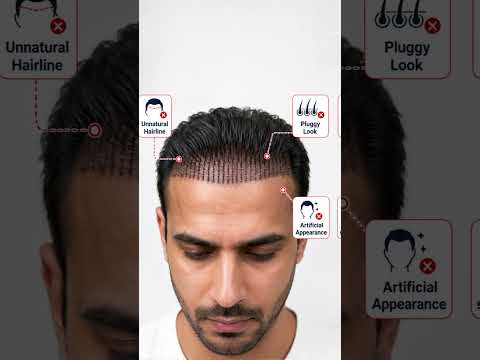
A receding hairline can affect your appearance, self-confidence and how you feel about your hairstyle. Hair loss often develops gradually, starting with thinning around the temples, reduced hair density or a noticeable change in the frontal hairline.
At Elegance Hair Transplant Clinic, patients can seek professional assessment to understand the causes of hair loss and discuss suitable treatment options.
What Causes a Receding Hairline?
A receding hairline can develop for several reasons, including:
- Genetic hair loss or androgenetic alopecia
- Hormonal sensitivity affecting hair follicles
- Age-related changes in hair density
- Certain medical conditions or nutritional deficiencies
- Scalp disorders and inflammation
- Traction caused by tight hairstyles
Identifying the cause is important because not every type of hair loss requires hair transplant surgery.
Common Signs of Hairline Recession
Early signs may include:
- Hairline gradually moving backwards
- Thinning hair around the temples
- Increased visibility of the scalp
- Reduced density in the frontal hairline
- Progressive hair thinning over several months
- Changes in the shape of the hairline
A dermatologist or appropriately qualified hair restoration specialist can assess these changes and recommend suitable next steps.
Receding Hairline Treatment Options
Treatment depends on the cause, severity and progression of hair loss.
Common options include:
- Medical treatment: Clinician-recommended medicines, such as minoxidil or finasteride when appropriate, may help manage certain types of hair loss.
- Scalp assessment: Examination helps identify scalp conditions or other contributing factors.
- Hair transplant surgery: Suitable candidates may benefit from surgical hair restoration using techniques such as Follicular Unit Extraction (FUE).
- Hairline planning: Individualised planning considers facial proportions, existing hair density and the likely progression of hair loss.
Hair transplant surgery redistributes existing follicles. It does not prevent future loss of untreated hair.
How Hair Loss Can Affect Confidence
Hair loss is not only a cosmetic concern. Some individuals experience reduced confidence, dissatisfaction with their appearance or anxiety about progressive thinning.
However, emotional responses vary. Not everyone with a receding hairline needs treatment, and the decision should reflect personal preferences and medical suitability.
Hair Transplant Consultation and Assessment
A professional consultation can help determine:
- The underlying cause of hair loss
- Whether the condition is stable or progressing
- Available medical and surgical options
- Donor hair availability
- Realistic expectations and possible limitations
- Recovery requirements and long-term maintenance
Hair Restoration Information and Support
Explore Elegance Clinic for information about cosmetic and hair restoration services.
For additional medical information, visit the American Academy of Dermatology’s hair loss resources.
If you are concerned about a receding hairline, thinning hair or progressive hair loss, arrange a professional consultation to discuss your options.